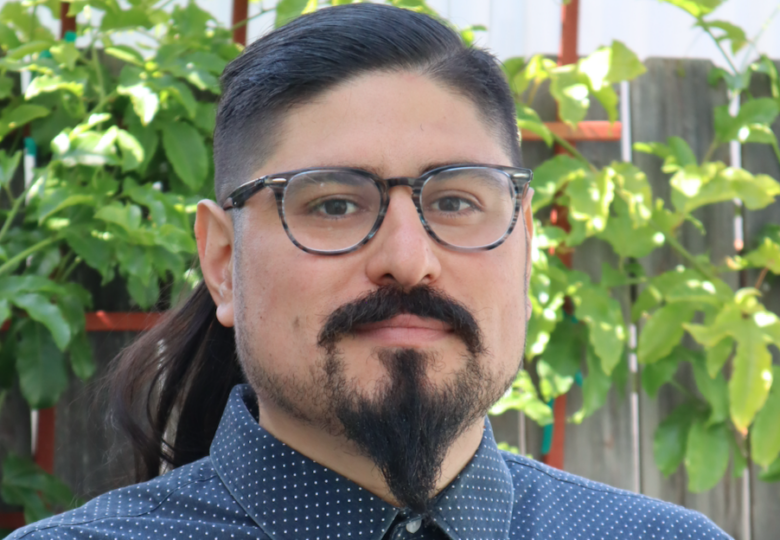
As part of our SBIFF 2019 Coverage, KCSB reporter Harry Lawton sits down with director Angie Davis to talk about her documentary The Laps: Tasmania, her second movie to premiere at the festival.

"Office Light" by Corporate Express
spun by * on Commonwealth Club at 6:56 AM
up next: Democracy Now! hosted by * at 8:00 AM
Words by Emmett Milligan
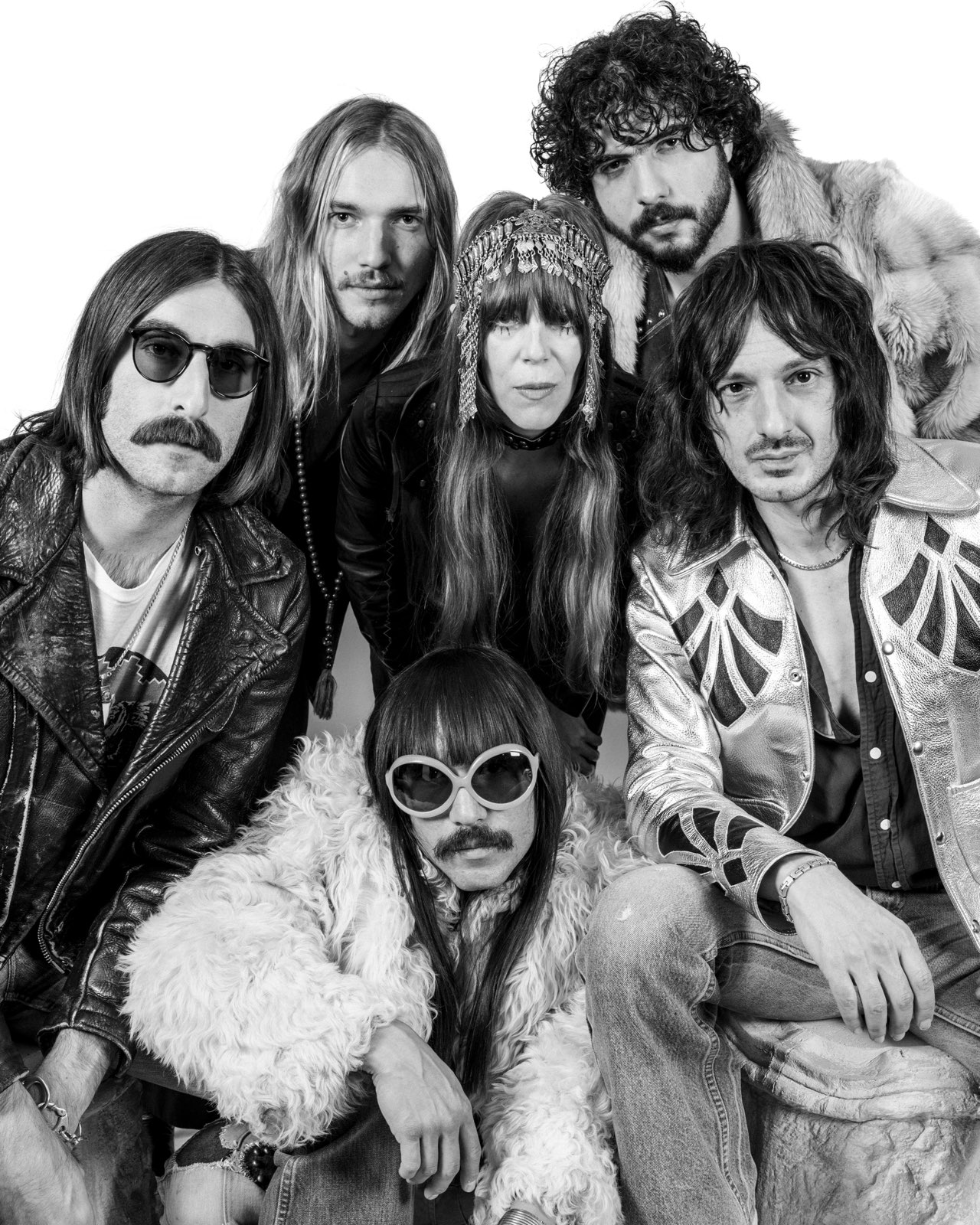
KCSB’s Music Director, Emmett Milligan, spoke with five of the six members of the Anatolian psychedelic rock act ÖLÜM before their June 4th show at The Viper Room, closing for Parliament/Funkadelic guitarist Michael “Kid Funk” Hampton. ÖLÜM has been a significant presence in the LA rock scene this year, releasing their second single of the year on July 18th and performing at a plethora of notorious events such as the Joshua Tree Music Festival. Milligan spoke with lead vocalist/guitarist Aykut Ozen, bassist Foster Pace, guitarist Bianco Koprulu, keyboardist Mikey Longhair, and drummer Grant Snyder to discuss the band’s influences, their experience within the LA rock scene, and their approach to instrumentation.
EM=Emmett Milligan
AO=Aykut Ozen (lead vocals/guitar)
FP=Foster Pace (bass)
BK=Bianco Koprulu (guitar)
ML=Mikey Longhair (keyboard)
GS=Grant Synder (drums)
.
EM: I’d love to hear about each of your guys’ musical backgrounds. I know that you guys are well-versed in Turkish folk rock, but are there any notable family members, friends, or artists that come to mind when you think about what shaped your relationship with music?
FP: My parents were definitely a huge musical influence on me. I’d also say a few guitar teachers I had growing up turned me on to getting over the challenge of learning an instrument and to enjoy it from the beginning, which was really important to me.
AO: Growing up in the skateboarding scene in Turkey, I picked up rock and roll and punk rock bands, and then eventually, through my dad, he became very communicative about the Turkish stuff. Things from the 70s, y’know, people like Erkin Koray, Barış Manço, Üç Hürel, all these bands. Eventually I just kinda started mixing them into my musical influences and started playing live.
BK: Man, my father taught me guitar when I was really young. Like Aykut once said, we’re all reading from the same book of Rock and Roll; I feel like there’s a lot of similar influences, y’know. But for me, Greek music is something that I study a lot, which you hear a little bit in the music and in the context of this band.
ML: I’d have to say my father as well. He was a musician in the 60s, and really brought me into music. Some friends also come to mind.
GS: I come from a musical family; My dad plays keys, and we grew up with a lot of jazz in the house, Miles Davis and stuff. My brothers also play; my oldest brother was in a band called Nightbeast, so they were all really influential in my life. And then right around high school time, I found punk rock, and that really kinda shaped the way I view music, art, life, and whatnot.
EM: Wonderful. Next, how would you guys describe the LA rock scene compared to any other areas you’ve played in, and how does the LA rock scene respond to the kind of music that you guys play?
AO: I think for me, LA is always a legendary hub for Rock and Roll, especially pre- ‘85. I’m mainly more interested in the late 60s to mid 70s sound when it comes to bands that happened here. There are quite enough people that look like rockstars all over LA but when it comes to finding true artists for a rock n roll band, it is not easy. The real dedicated ones, I think that’s what my group represents, we do look a certain way, but we work hard on the craft so we can actually give our fans something special and real, both in recorded format and on stage performances. Memorable music – that’s what really inspires me. And this crosses borders with the Turkish stuff too. Essentially we’re all under the rock and roll umbrella, but I think there’s a mystique to our version; we are all kind of like misfits, y’know, people who hate the daily routine of life and don’t fit in the system. I mean, it’s sort of an escape, but it also involves putting a lot of hard work into it, making sure it resonates the right way. That’s the way that I see it.
BK: If I may, I’ll say this. I think in LA, there’s a lot of people who are kind of capitalizing on the legacy of this city, and y’know, staying in this bubble where it’s just a similar type of rock that’s very blues-based and very American-centric. At the same time, it’s true that there’s a huge influence of Latin genres like Cumbia and a lot of salsa bands. Also, there are much more people, compared to Turkey, who are digging through these old, deep-cut Turkish vinyls, 60s and 70s Anatolian tracks. There’s definitely a group of people who are much more appreciative of worldly sounds than most people who are from those places are. So in that aspect, it’s been very interesting for me to be here and play this music, and for it to be as well received as it has been.
ML: Well, what hasn’t been said already, I mean, it’s a melting pot, and will always still remain a Mecca for audiences and listeners elsewhere.
EM: I like that, very well said from you all. So, what can you guys tell me about your instrumentation as it relates to Turkish folk music?
AO: Coming from that region, I grew up with a lot of that stuff that seems exotic to the people over here. I usually don’t lean on the exotic instruments too much; instead, I approach the guitar like I would play a bağlama or saz. I like the guitar-driven sound of this band even though we integrate Eastern instruments on some songs. The idea is just keeping the soul alive, but still allowing that high-voltage energy of rock and roll to be a part of it and share our respect to the legends. Like Erkin Koray, for example, was heavily into bands from England and America, but with what happened there (in Turkiye) at the time politically, they had to tweak that music so it’s more relatable to the radio stations and stuff. So they actually, by accident, created this freak sound. It’s rock and roll, but it has the Eastern mystique. Which in some ways, if you look at The Beatles or Zeppelin, they all searched for that magic too at certain times, y’know. So in essence, it’s actually quite familiar yet different. Sometimes we play shows and people don’t even think about this band as a Turkish band. The lyrics are in Turkish, but the full energy is really inspired by the combination of legends we love from all over the world. So that’s the way that I approach my instrumentation with the guitar: keep my background but also praise my influences and mix them in a unique way, so it’s something that’s my own. It’s not a copy of the Eastern sound; it’s not a copy of the western sound. I do strive to make sure that I can leave a musical legacy that’s unique, like 20 years from now, maybe some kids will be inspired by it. Not just by the music alone, but by the lifestyle, as people who really lived through this; it wasn’t just a phase or anything.
BK: There was this context that Aykut and I were talking about when I first joined the band, and we were messing around on the bouzouki where I noticed he tries to, as he said, keep it in the rock and roll boxes. There’s different formulas, y’know, bands who sometimes lean more into the folk-y side of things, but we are true to the format of rock and roll and that certain type of energy.
FP: I feel like if there was a Venn diagram of Eastern and Western music, the electric guitar is like the anchor in the middle. It’s kind of the common denominator of popular music or wherever music is being played, written, or performed.
AO: It’s important to also keep it untamed; that’s my approach. There are some amazing bands that are doing Eastern-sounding music, but it’s a bit too sweetened-up for my taste. I do appreciate them, but there’s something about the unexpected rawness we naturally carry on stage. I want to perform as well as I can, but I appreciate that this band isn’t a safe band on stage where everything sounds overly produced; You really have to dig this kind of energy to enjoy it.
EM: Yeah, I totally get that. I’ve just got one last question for you guys. You guys have been really busy throughout this year already; You’ve released your fourth single in March, you’ve played some big shows like the Joshua Tree Music Festival, and you’re obviously going to be playing on several dates along The Strokes’ Reality Awaits Tour. What’s next in this already impressive year for ÖLÜM?
AO: Just kind of organically keep growing, man. Quality over quantity, get a solid fanbase, give people what they really get excited about. That’s what keeps me alive. We have a small group of fans right now, and I’m excited that those people are excited. I have this kind of responsibility; I feel like right now I have to deliver, and that makes me happy because that’s what I’ve dedicated my life to. There’s no lust for stardom, I just want to sound good, look cool, and if it goes well and we get to play even bigger shows, that’s amazing.
Just as our conversation wrapped up, in classic Sunset Boulevard fashion, an elderly gentleman who proclaimed himself “The Ghost of the Sunset Strip” approached the group and began reveling in his time in 1960s Laurel Canyon. After sitting through some elaborate tall tales about hanging out with Jim Morrison and Robby Krieger, the band went off to prepare for their show at this historic LA venue.